
HICCC Member Symposium Explores New Directions in Cancer Research
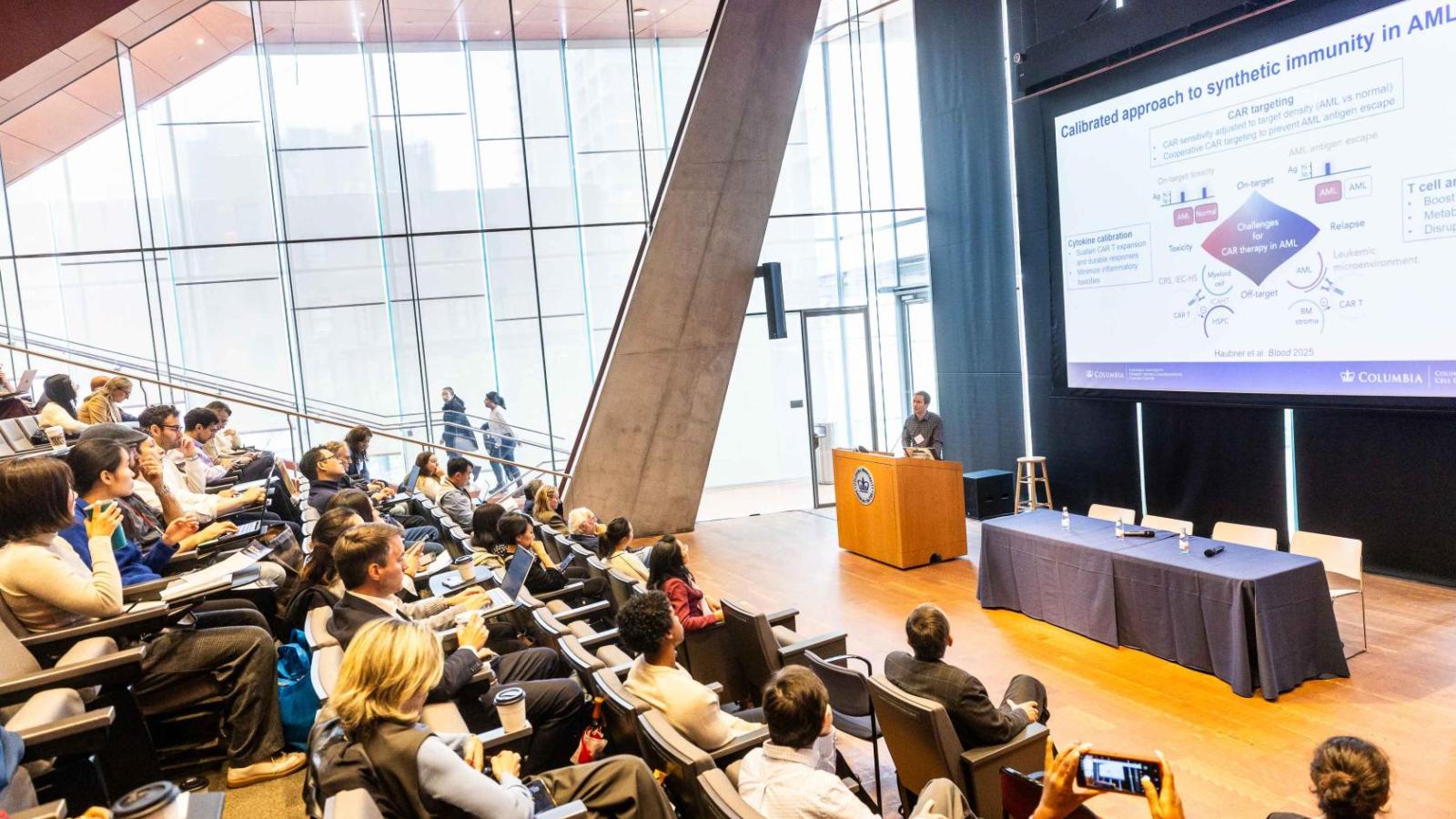
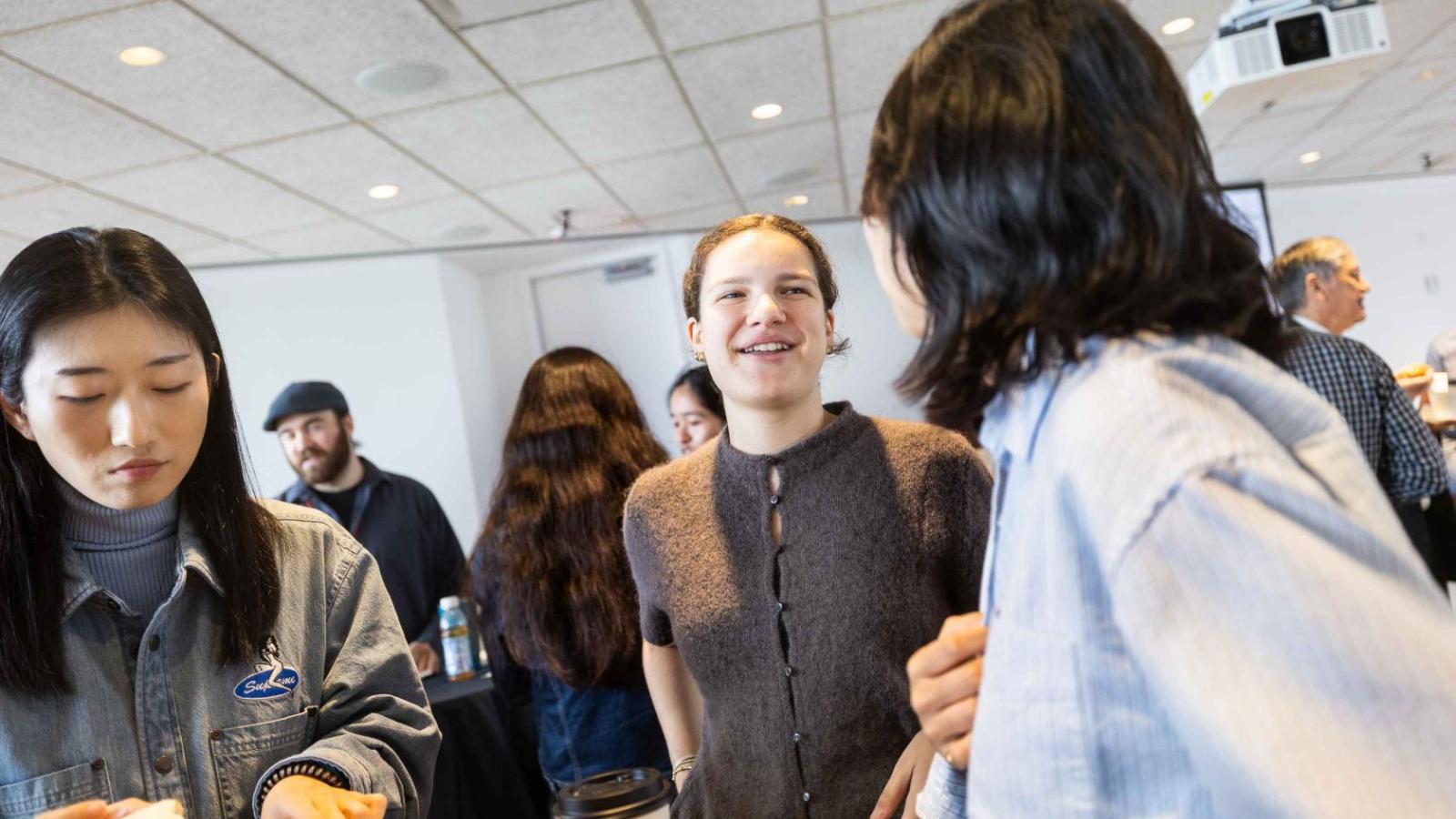
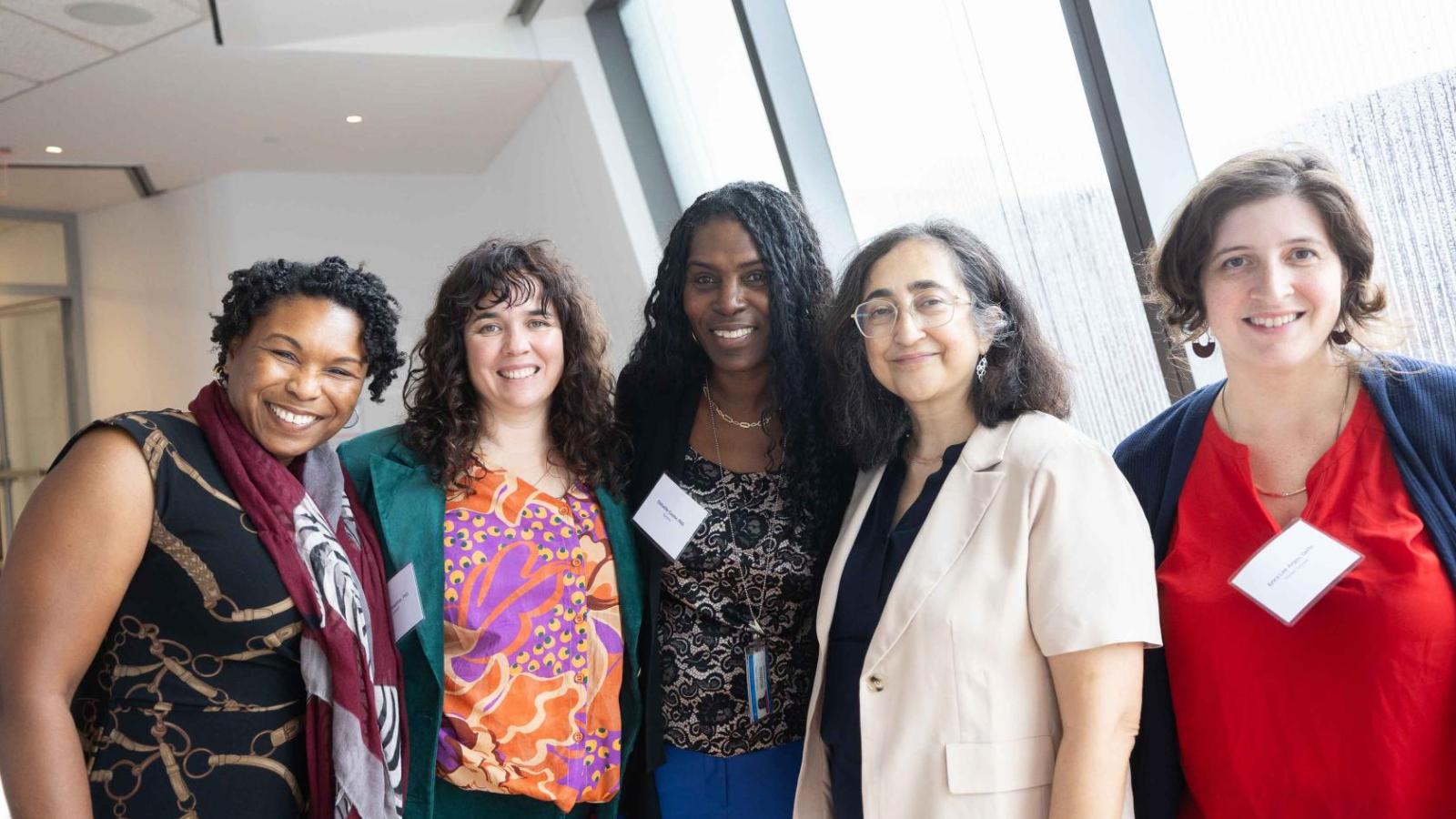
More than 250 researchers, trainees, clinicians, collaborators, and community representatives gathered at Columbia University on September 28 for an all-day Member Symposium and Retreat showcasing emerging cancer research across the Herbert Irving Comprehensive Cancer Center’s (HICCC) four inter-disciplinary research programs.
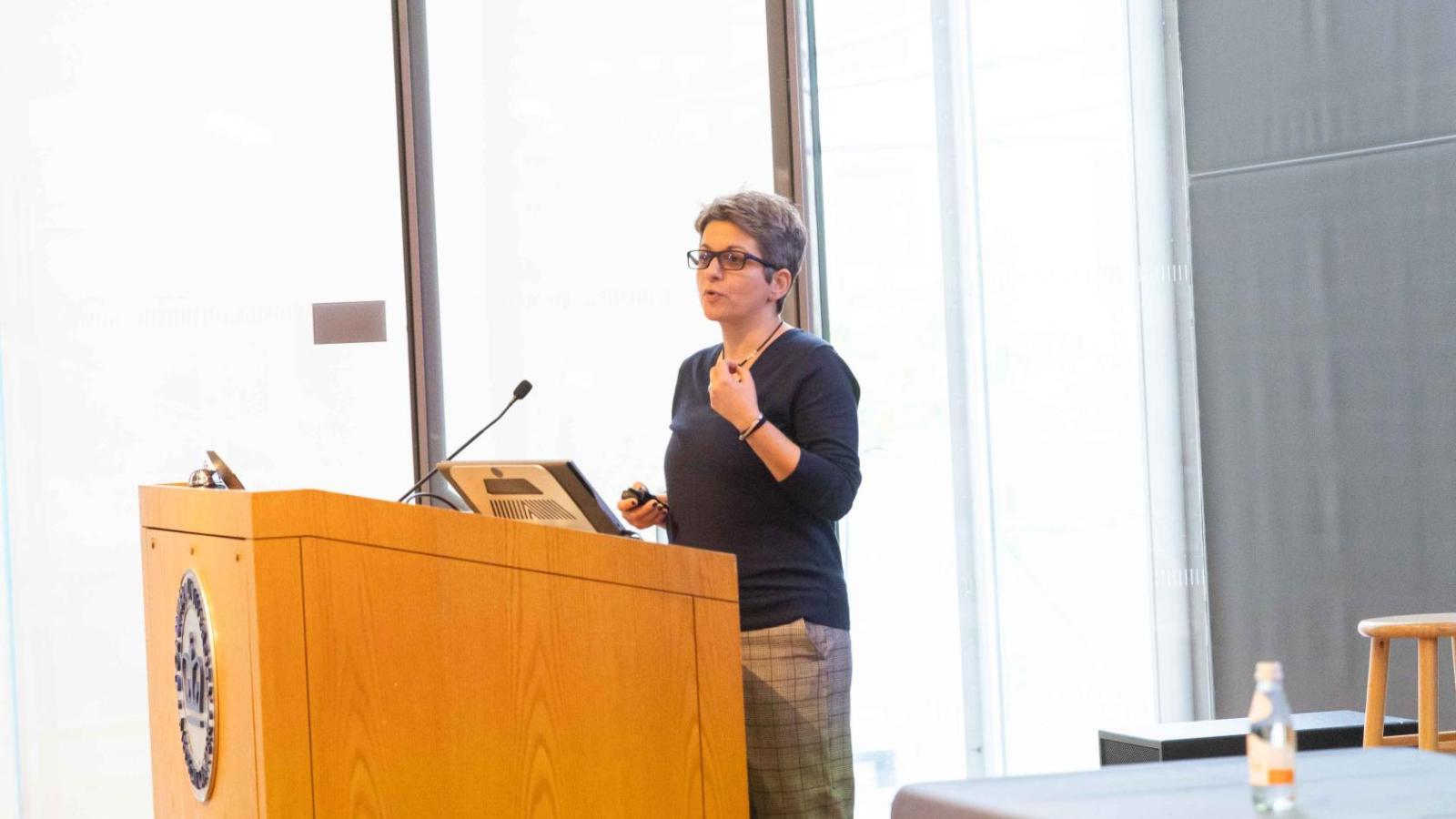
The event brought together researchers studying cancer across the genes-to-society spectrum. Presentations throughout the day highlighted how advances in population science, tumor biology, genomics, precision oncology, and computational science are coming together to address some of the most challenging questions in cancer research today.
Attendees included HICCC members and trainees, as well as colleagues and collaborators from across Columbia’s academic disciplines, industry partnerships, and HICCC’s community stakeholders.


Exploring cancer prevention and population health
Researchers from HICCC’s Cancer Population Science (CPS) program opened the scientific sessions by sharing how research can help identify cancer risk and improve prevention strategies at the population level.
Delivette Castor, PhD, discussed efforts to strengthen the implementation of evidence-based strategies to reduce HPV-related cancers in low- and middle-income countries. Despina Kontos, PhD, presented her group’s research using artificial intelligence and imaging to develop more sophisticated approaches to predicting cancer risk. Finally, Lauren Houghton, PhD, discussed her ongoing community-centered work examining whether reducing barriers to physical activity can help improve health among mothers in New York. This project explores whether providing resources such as free childcare and exercise classes can give mothers more opportunities to be physically active, an important factor in reducing the risk of several cancers.
Together, the presentations illustrated how cancer prevention can extend beyond the clinic, incorporating technology, community-level interventions, and a deeper understanding of the factors that influence health.
Investigating the biology of tumors
The Tumor Biology and Microenvironment (TBM) program featured research examining the complex relationship between cancer cells and the immune system, and how we can use microbes as cancer treatments.
Tal Danino, PhD, discussed his work using synthetic biology to engineer bacteria that could potentially be used to target cancer. Nicholas Arpaia, PhD, explored how interactions between microbes and the immune system can influence whether bacterial cancer therapies are effective.
Their highly interconnected research highlights both the potential of using living systems as cancer therapies and the importance of understanding the tumor environment in determining how those therapies work.
Using genomics to understand cancer
Researchers from HICCC’s Cancer Genomics and Epigenomics (CGE) program examined cancer through genomic, epigenetic, and computational approaches.
Edmond Chan, MD shared his research using patient-derived models to study interactions between tumors and the immune system on a genome-wide scale. These models can allow researchers to investigate cancer biology in systems that more closely reflect the characteristics of individual patients.
Aaron Viny, MD, MS discussed research into abnormal patterns of gene regulation in blood cancers and how these patterns could reveal potential therapeutic vulnerabilities. Jay Mahat, PhD explored the role of non-coding regions of the genome in regulating immunosuppression within tumors, highlighting how parts of the genome that do not directly produce proteins can nevertheless influence cancer biology and the immune response.
Applying AI and systems biology to precision oncology
The Precision Oncology and Systems Biology (POSB) program highlighted how computational tools and systems-level approaches are being applied to complex challenges in cancer treatment.
Sascha Haubner, MD, PhD discussed efforts to understand how CAR T-cell therapy could be made more effective against acute myeloid leukemia while reducing the toxicities associated with treatment, reflecting a broader challenge in cancer therapy: finding ways to preserve the immune system’s ability to attack cancer while limiting harm to healthy tissues.
Elham Azizi, PhD, presented research on using artificial intelligence to model the behavior and interactions of different cell populations within the tumor microenvironment. By modeling these complex cellular dynamics, researchers hope to better understand how tumors develop, respond to treatment, and evade the immune system.
Connecting the next generation of cancer research
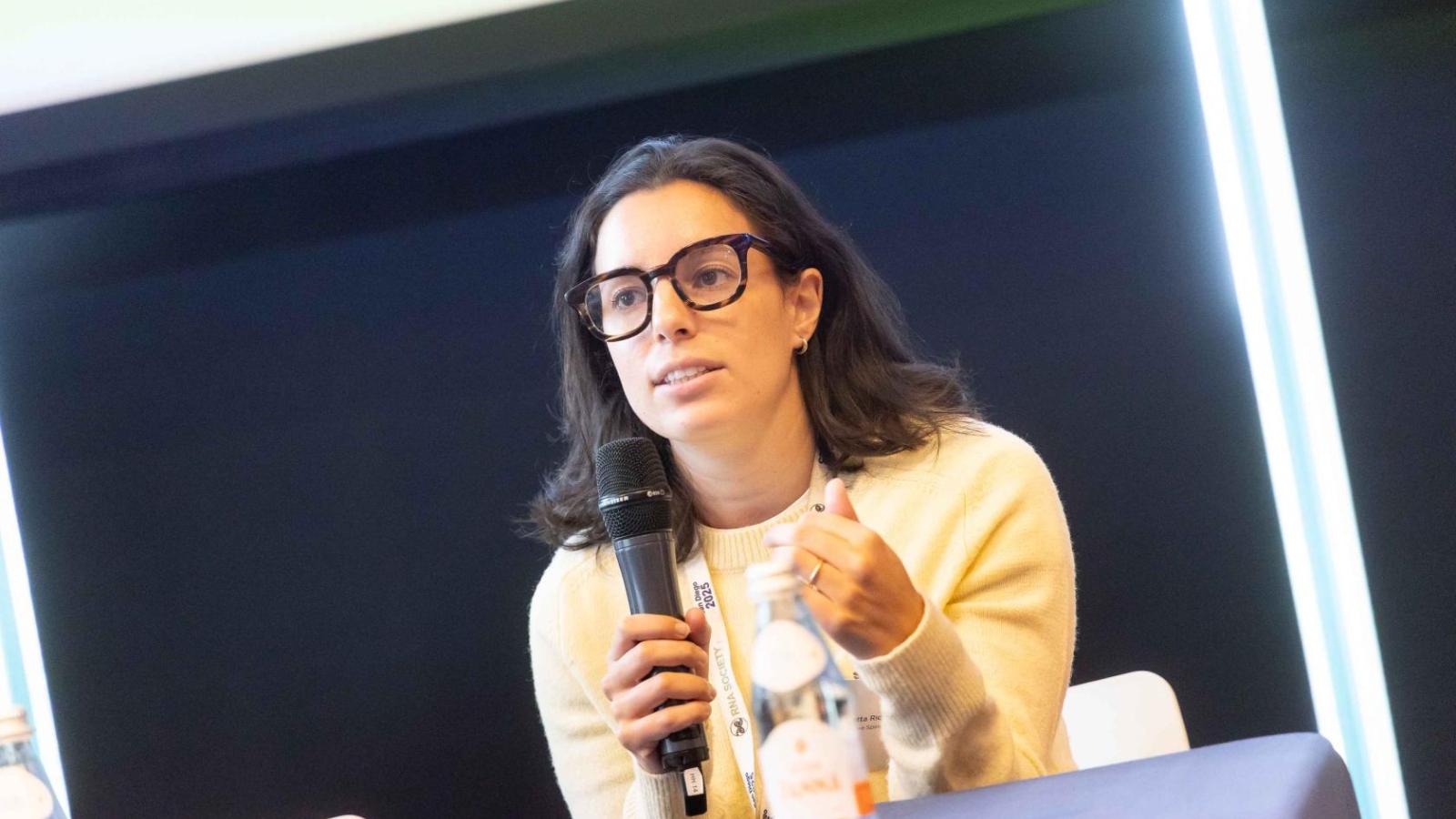
The symposium also highlighted the work of HICCC trainees, giving emerging researchers an opportunity to share their research and connect with colleagues from across the center’s programs. During the midday break, members of HICCC’s Trainee Associate Membership (TAM) program participated in roundtable discussions, creating opportunities for mentorship and collaboration with panel guests not only from academic disciplines, but across biotech, research administration, and startup environments.
Exploring cancer biology as “quantum”
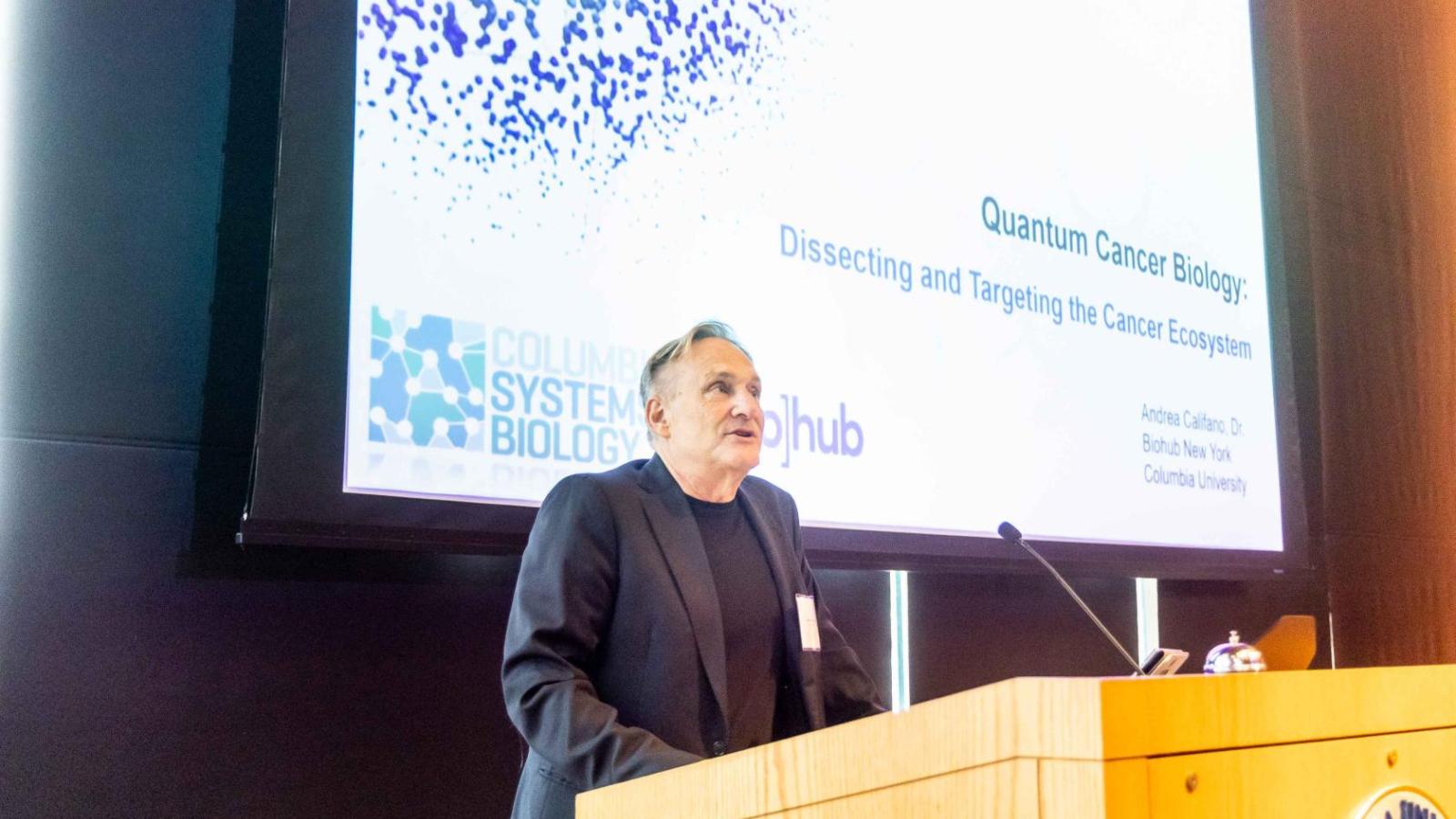
The day concluded with a keynote address from Andrea Califano, the Clyde ’56 and Helen Wu Professor of Chemical Biology at Columbia University Vagelos College of Physicians and Surgeons and Head of Biohub, New York.
In his keynote, Califano explored the radical concept of “Quantum Cancer Biology,” which proposes that cancer cells may exist in a limited number of distinct biological states. Understanding these states, he explained, could offer a new way to think about cancer and potentially simplify the search for new treatments.
Following the keynote, HICCC Director Anil Rustgi, MD, presented Califano with the HICCC Annual Service Award in recognition of his outstanding scientific contributions at Columbia.
Bringing research back to the community
HICCC Community Advisory Board (CAB) member Maria Davis also joined scientific presentations as part of the CAB's ongoing work to connect HICCC research with the communities it serves. By attending events like these, CAB members can learn more about research taking place at Columbia, including studies focused on cancer prevention, early detection, and promising new treatments, and share the information with their communities to build trust and awareness.
In return, CAB members help HICCC researchers better understand the priorities and needs of the surrounding patient community. These conversations can help inform future research and strengthen engagement with communities that have historically been underserved by clinical research.
Solving the most difficult questions in cancer requires bringing together different fields, technologies, and perspectives. Across HICCC’s four research programs, scientists are approaching cancer from all angles, connecting discoveries from the laboratory, clinic, and community to advance the prevention, detection, and treatment of cancer.