
Training the Next Generation of Clinical Trial Leaders
Columbia’s Clinical Trials Training Program brings together voices across clinical research to rethink how clinical studies are designed—and who they serve.
Clinical trials are the engine of modern cancer care, transforming scientific discoveries into new treatments that can save lives. Yet too often, clinical trials are not accessible to—or reflective of—the full range of patients they are meant to serve. Closing these gaps requires knowledge and training that go far beyond regulatory checklists and study protocols.
At Columbia’s Herbert Irving Comprehensive Cancer Center (HICCC), a growing training program is helping researchers, clinicians, and advocates understand the broader scientific, ethical, and societal context that shapes successful clinical trials.
Now in its fourth year, the HICCC Clinical Trials Training Program provides participants with a comprehensive overview of the design, implementation, and impact of clinical research. Enrollment has grown steadily since the program launched, reflecting a growing interest in clinical trials. What began as a course offered primarily within Columbia has quickly expanded, drawing participants from other academic medical centers, cancer centers, industry, and patient advocacy organizations across the country.
And unlike many traditional courses on clinical research, the Columbia program goes beyond teaching only the mechanics of running a trial.
“I’m trying to have a little bit of a philosophical overview about the endeavor of science—the pros, the cons, and the challenges we face,” says Mary Welch, MD, course director. “Clinical trials courses often focus on process, but we want people to understand the bigger picture of why trials succeed or fail.”
Rethinking clinical trial design
At the heart of the program is a focus on access and representation—ensuring clinical trials better reflect the patients they are designed to serve. Participants examine barriers to enrollment that arise at every stage of research, from early hypothesis generation and study design to eligibility criteria, recruitment strategies, and communication with patients.
“We talk about the importance of inclusion and access to clinical research from the very beginning, from preclinical models all the way to how trials are communicated and accessed,” Welch says. “If those issues aren’t considered early, they can shape who ultimately benefits.”
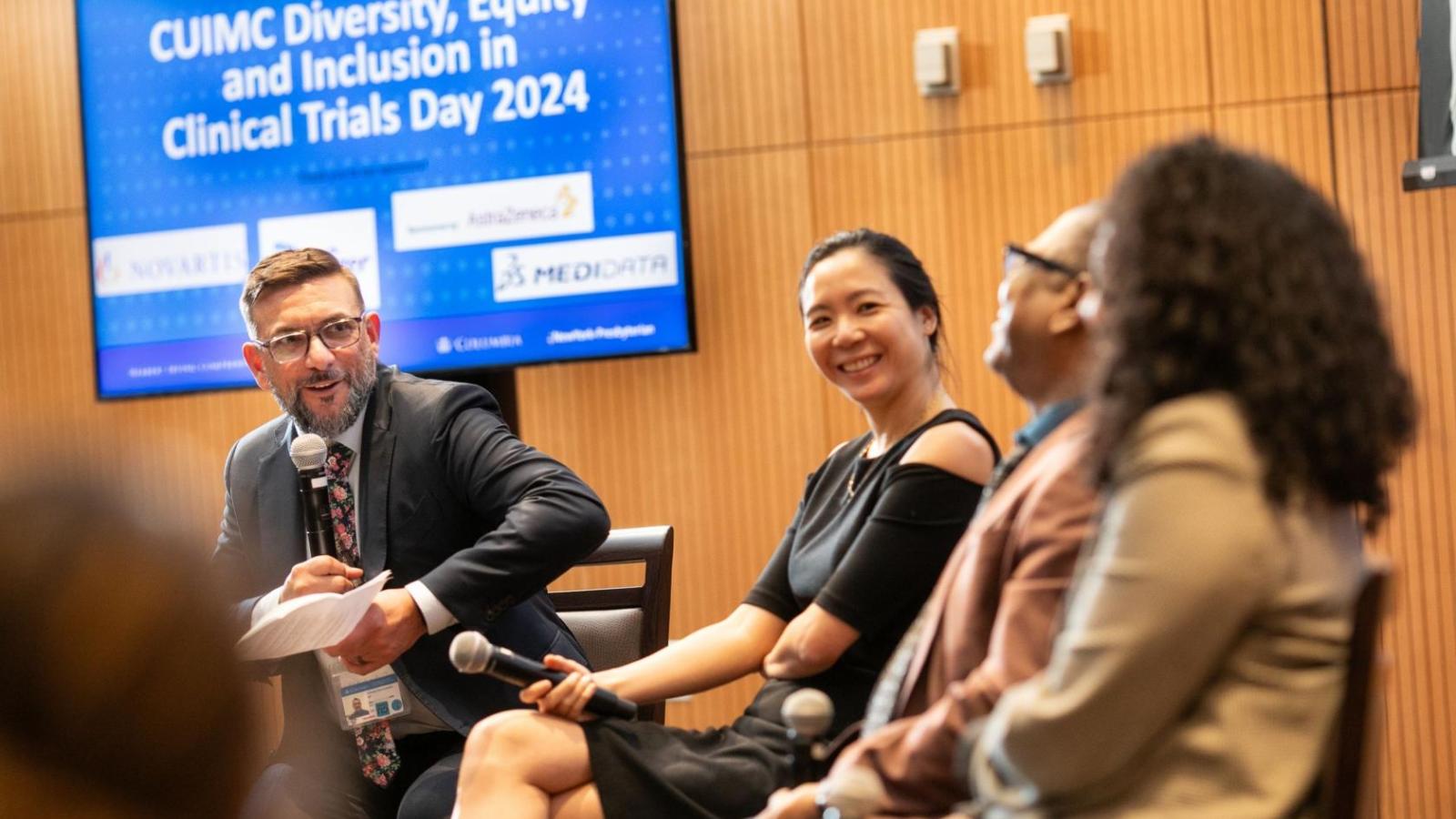
The program also introduces perspectives often absent from traditional research training. Panels feature patient advocates and caregivers who share their experiences participating in clinical trials, alongside experts from industry and funding organizations who discuss the realities of bringing new therapies from discovery to patients. Participants come from a wide range of disciplines, underscoring the growing interest in strengthening clinical trial design across the research ecosystem.
“Clearly there is a need for a course like this, one that spans different ideas and appeals to people from many backgrounds who want to improve clinical trials as a whole,” says Alexis Pissey Keo, education and training, clinical research manager at HICCC and a leader of the program.
From the lab to the clinic
The program is designed to bridge gaps across the clinical research ecosystem—from basic discovery to patient-centered care. Through lectures, case-based discussions, and multidisciplinary panels, participants gain insight into how trials are conceived, funded, executed, and translated into clinical impact.
Importantly, the program brings together participants spanning the full spectrum of clinical research—from basic scientists and clinicians to clinical research staff and community educators. In doing so, the classroom becomes a real-world forum for the cross-disciplinary conversations that are essential to improving clinical trials.
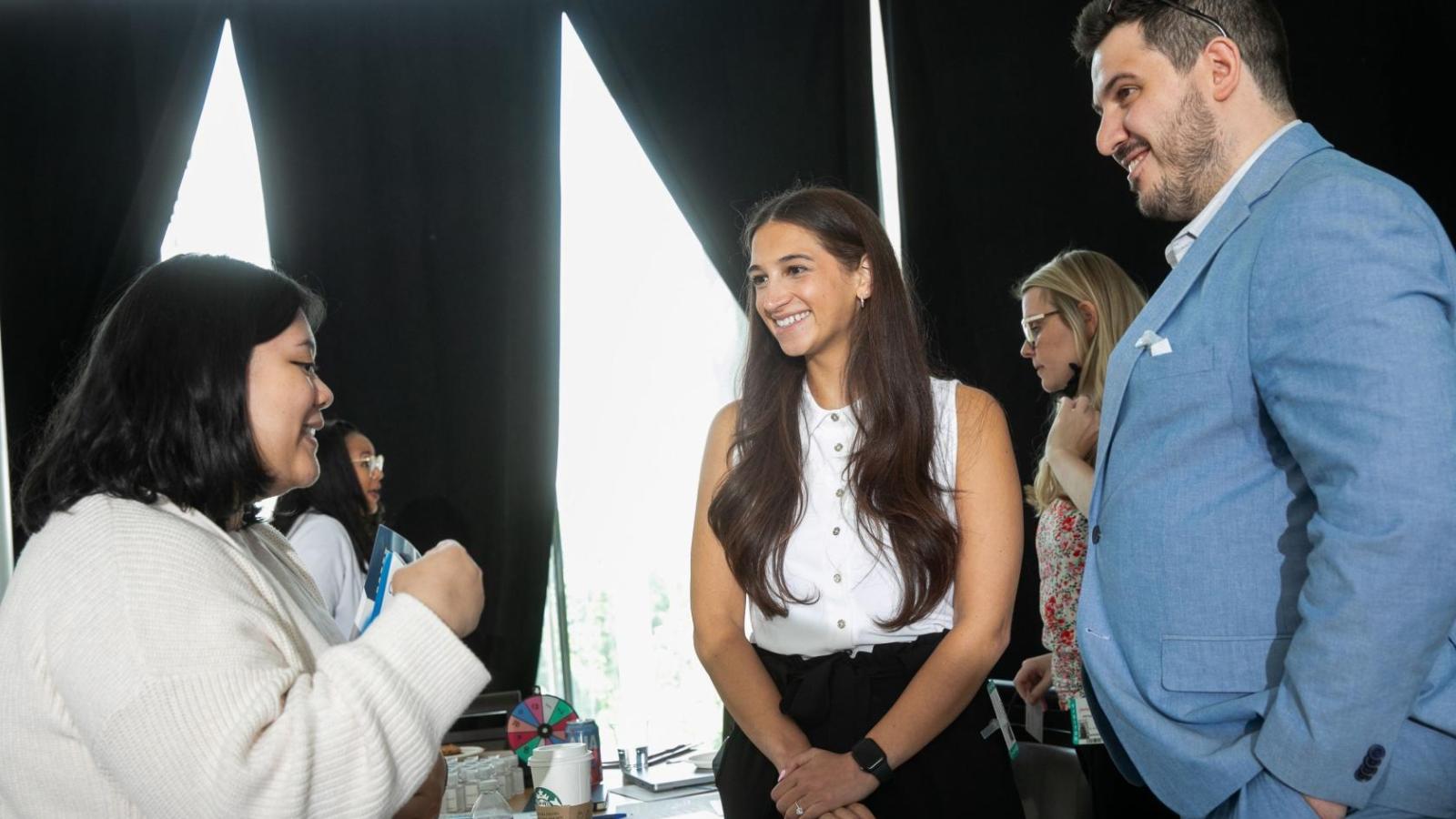
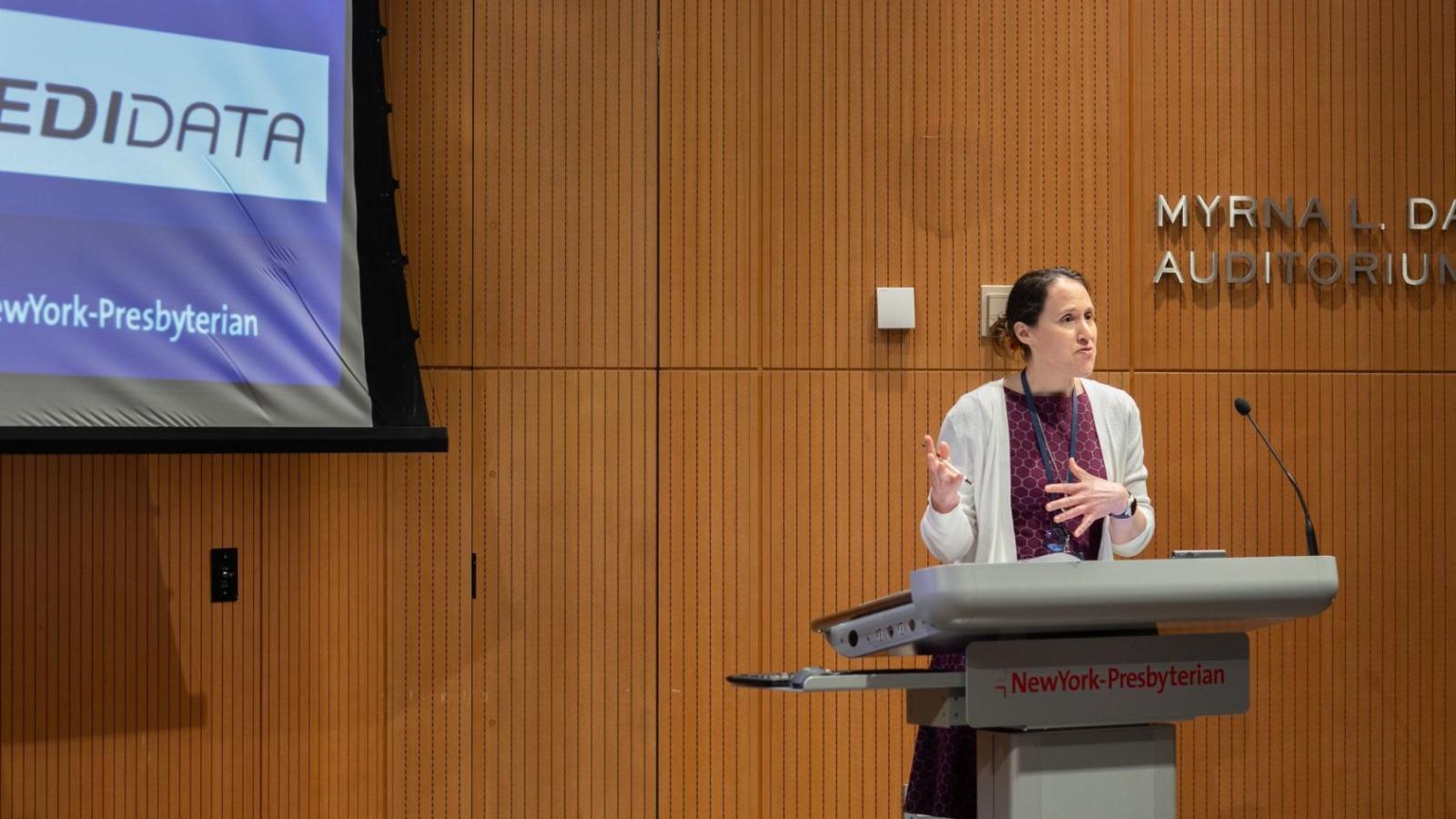
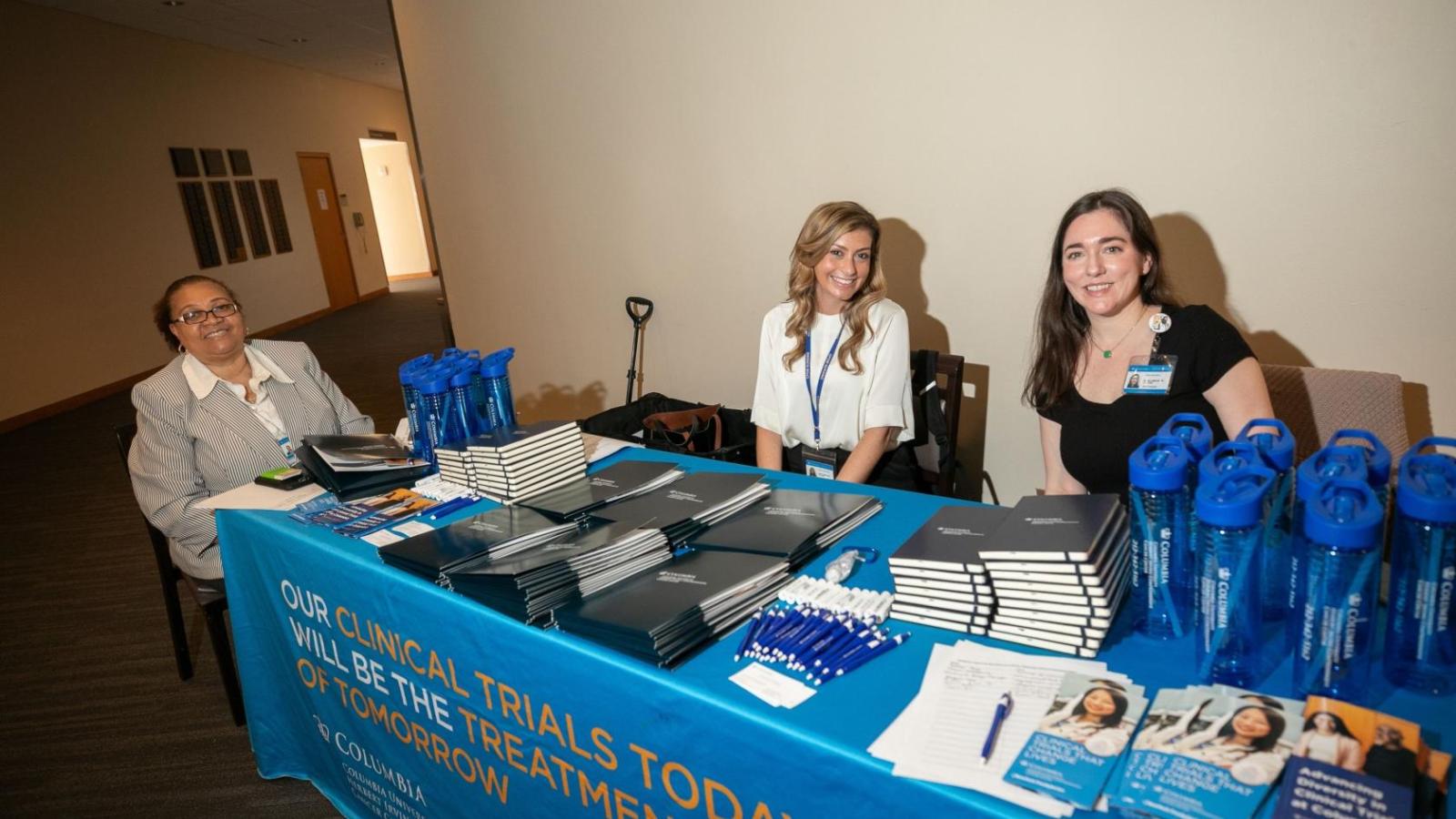
The course is delivered largely in a virtual format to make it accessible to participants across the country, while an annual in-person Clinical Trials Day brings researchers, trainees, and community members together at Columbia.
For Welch, the program’s growing reach reflects a broader shift in how scientists think about clinical research.
“Clinical trials aren’t just about testing a drug,” she says. “They’re about designing research that truly works for all patients.”
Participant perspectives
Participants say the program is already shaping how they approach clinical research across disciplines and career stages.
Yash Chabra, PhD, Assistant Professor, Fox Chase Cancer Center
“As a basic scientist working primarily in the preclinical space, what drew me to the program was the opportunity to better understand what it takes to move a promising discovery from the lab into a clinical trial. The program has been a great opportunity to learn the practical and regulatory aspects of clinical trial development—from study design to multidisciplinary collaboration—which are areas I have never had the exposure to in my basic science training.”
Adit Anand, PhD Student, Department of Biomedical Informatics, Columbia University
“My research focuses on effectively incorporating machine learning and artificial intelligence into clinical trial workflows. The HICCC Clinical Trials Training Program highlights the nuances of operating trials across multiple levels, helping me to focus my research and develop solutions with impact. I’ve gained a stronger understanding of how clinical trials progress and the barriers teams must overcome to execute them effectively.”
Nick Dreher, MD, First-Year Hematology/Oncology Fellow, Columbia University Medical Center
“As a clinical fellow interested in opening clinical trials as a principal investigator, I was drawn to the program by the amazing fount of expertise Columbia brings to clinical trials —from funding and ethics to statistics and dissemination. The program has reinforced core concepts while also introducing new dimensions of trial design and execution. I’ve already been able to apply what I’ve learned to early-phase trial design with my research mentors, and I’m excited to carry this forward into a career as a clinical trialist.”
Gizem Efe, Irving Cancer Early Scholar, Columbia University Irving Medical Center:
“As a scholar conducting translational research, I’m interested in bridging the gap between laboratory discoveries and clinical application. Through the Clinical Trials Training Program, I’m gaining a deeper understanding of clinical trial design, implementation, and analysis – knowledge that will help me translate research findings into meaningful advances in patient care. The program’s training in protocol development, biostatistics, regulatory considerations, and ethical trial conduct provides a strong foundation for leading rigorous clinical investigations.”
References
Related Articles:
Answering 10 Commonly Asked Questions About Cancer Clinical Trials
Summer in the City: HICCC Cancer Education and Training Highlights
Better cancer trial representation begins with speaking one’s language
Jill Biden’s Columbia Visit Shines Light on ‘Hidden Heroes of Cancer Care’
Testing Drug Responses, Not Just Genes: A New Functional Precision Medicine Trial Comes to Columbia