Tumor Biology and Microenvironment
Understanding the complex interplay between tumor cells and their surrounding non-malignant cells is critical for development of new and better cancer treatments. The Tumor Biology and Microenvironment (TBM) program aims to understand the immunological, stromal, and cell-intrinsic mechanisms that regulate tumor initiation and cancer progression with the goal of translating scientific research findings to the clinic. Researchers in this group utilize innovative experimental approaches to elucidate human cancer biology and cancer cell-stromal interactions.
Major research themes
- Stemness and plasticity
- Stromal microenvironment
- Tumor immune microenvironment
Within these themes, TBM researchers study the biology of stem/progenitor cells in normal tissues and their dysregulation in cancer. Investigating cell interactions in the stromal niche, they work to understand how cells in the tumor microenvironment can modulate tumor growth. By examining the interaction of immune components with tumor cells, TBM researchers work to understand their role in cancer progression and response to immunotherapy.
Current projects
Their multiple ongoing studies include examination of how neural signaling drives gastric and pancreas tumorigenesis, and a co-clinical trial to test the ability of bladder tumor organoids to predict patient response to chemotherapy.
The program also aims to increase understanding of cancer immunology, identify novel immunotherapy approaches, and advance an area of cancer research that is rapidly growing and full of promise. Current projects in this area include development of small molecule c-Rel inhibitor to target regulatory T cells in the tumor microenvironment, and a novel neoadjuvant immunotherapy trial to understand treatment response in patients.
Leadership
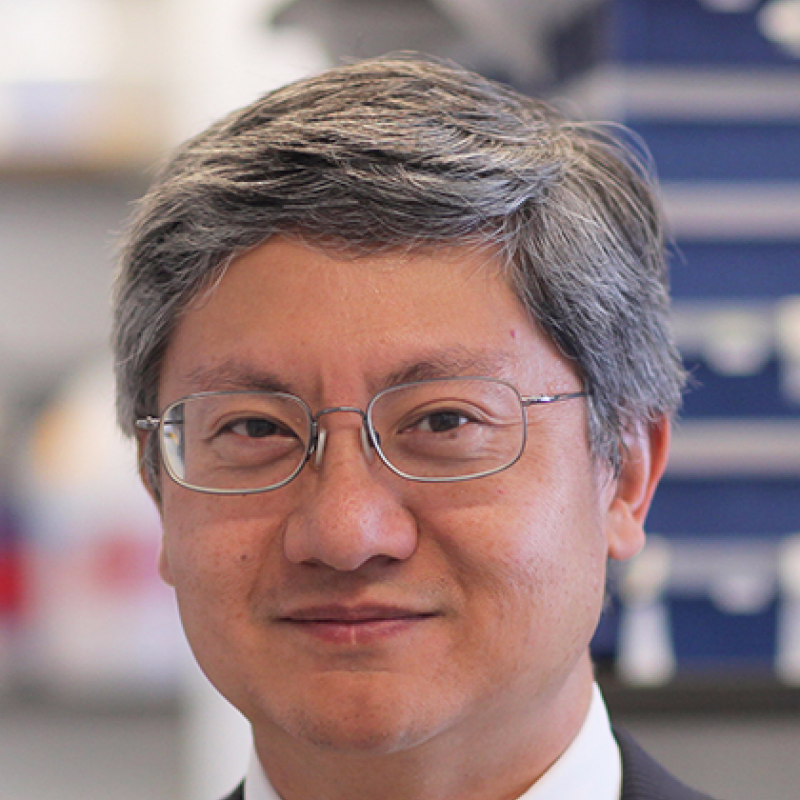
Michael Shen, PhD
- Arthur J. Antenucci Professor of Medical Sciences (in Medicine), Genetics and Development and Urological Sciences (in Urology) (in the Herbert Irving Comprehensive Cancer Center and in Systems Biology
![]()