

Everyday Carcinogens: What’s Your Risk?
An estimated two-thirds of cancers are linked to “environmental factors”- a broad term that refers to lifestyle habits, chemicals, pollutants, and other exposures in our environment that can disrupt normal DNA function. Some environmental carcinogens are well known and relatively easy to avoid, but many are harder to recognize or measure in our daily life. That makes it challenging to understand which exposures truly matter- and how to realistically weigh your risks.
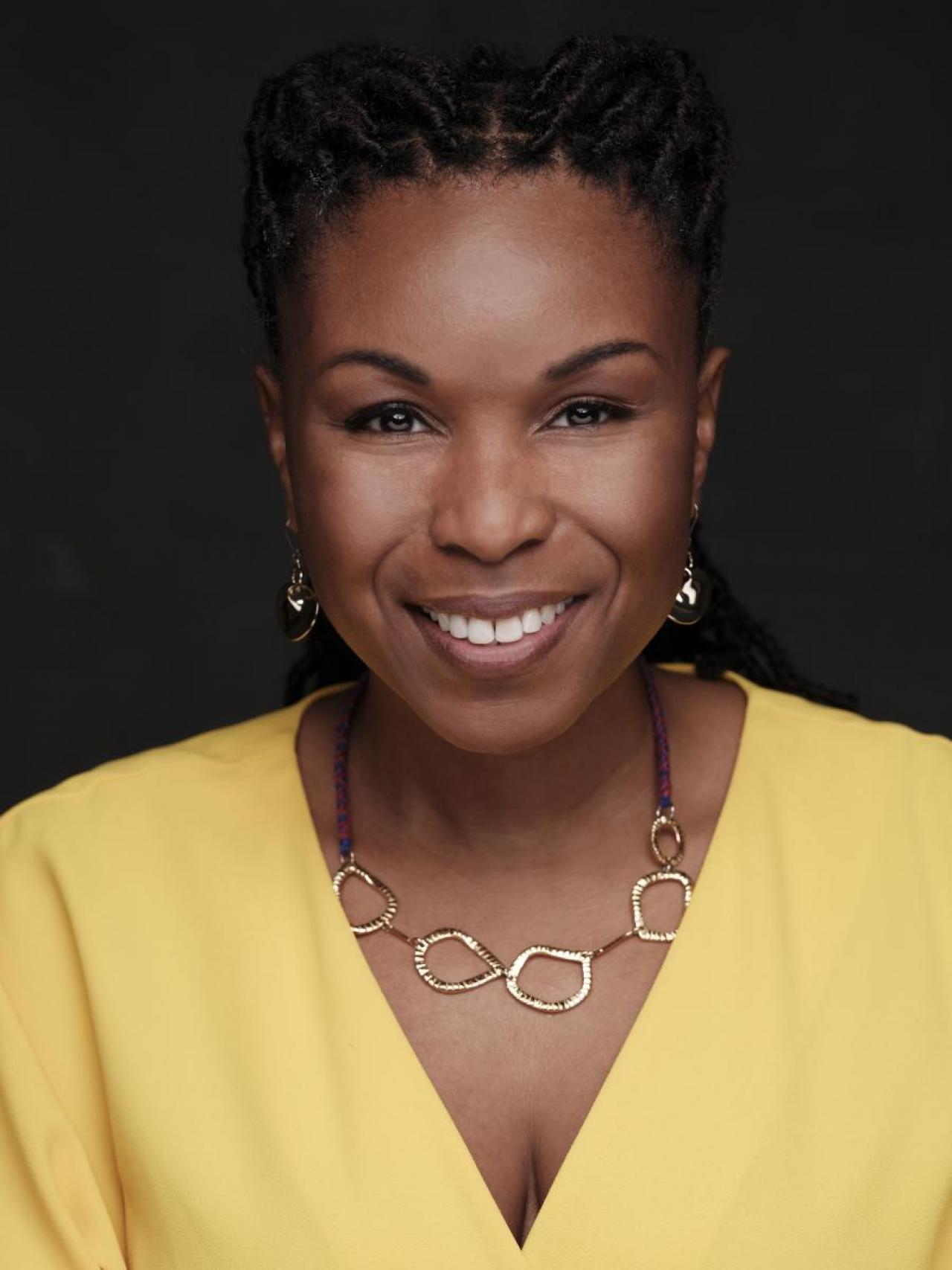
Jasmine McDonald, PhD, a cancer epidemiologist at Columbia University Irving Medical Center (CUIMC), recommends a ‘top-down’ approach: start by understanding your own biology, then making practical, everyday changes to reduce carcinogenic exposures whenever possible.
What is a carcinogen?
The International Agency for Research on Cancer (IARC), part of the World Health Organization, maintains the most widely used system for classifying substances and exposures based on their potential to cause cancer. Each agent is placed into one of four categories: Group 1: Carcinogenic to humans; Group 2A: Probably carcinogenic; Group 2B: Possibly carcinogenic and; Group 3: Not classifiable.
Despite how the term is often used, “carcinogen” does not mean something will definitely give you cancer. “Carcinogens don’t cause cancer at all times, under all circumstances,” McDonald explains, “for example smoking doesn’t cause cancer in every person, every time there is an exposure.” Instead, the word refers to anything capable of increasing cancer risk by damaging DNA or disrupting normal cell growth.
“Some well-known carcinogens like tobacco smoke and alcoholic beverages are classified in Group 1 because there is such strong evidence they cause cancer in humans,” says McDonald. “But the same category also includes industrial chemicals and dyes most people will never encounter.”
That distinction matters. Many items on the IARC lists are relevant only to specific workplaces or rare exposures, while others, like UV radiation from the sun- are part of daily life and deserve more attention. “The key,” McDonald emphasizes, “is understanding which exposures are actually part of your world, rather than assuming all carcinogens carry the same weight.”
Weighing your unique cancer risk
Rather than memorizing long lists of carcinogenic chemicals, McDonald says the most effective place to start is with your own cancer risk profile.
“Your genetic background is the first piece of that picture. If you have close relatives diagnosed with cancer at younger ages, or known hereditary mutations like BRCA1 or BRCA2 in your family, that dramatically changes your baseline. In those cases, genetic counseling and earlier or more frequent screening may be recommended.”
Your individual cancer risk then shifts depending on your built environment- where you live, work, and play. Certain jobs, such as painting, firefighting, mining, and salon professions like hairdressers, barbers, and nail technicians, may involve higher exposures. Living near major highways, industrial areas, or heavy diesel traffic can also contribute.
Lifestyle choices add another layer. “Smoking, alcohol, UV exposure, and infections like HPV are among the most well-established modifiable drivers of cancer,” McDonald adds. Other everyday exposures—such as endocrine-disrupting chemicals—also play a meaningful role in your cancer risk, as contact with them in our daily routines can be difficult to avoid if you don’t know where they are found.
No one can control all of these factors, and exposure to these factors does not mean a cancer diagnosis is inevitable. “Cancer is still a rare event,” she says. “Even though there are some things in your control, no one should ever blame themselves if risk reduction doesn’t result in cancer prevention.”
Reducing everyday exposures
While it’s impossible to eliminate all risk, McDonald emphasizes some meaningful steps people can take. “These are risk-reducing strategies, not cancer-preventing,” she stresses, focusing on high-impact behaviors first.
Some carcinogens have decades of research behind them- and limiting them will have the most impact. “Avoiding tobacco and vaping, limiting alcohol, using sunscreen and avoiding tanning beds, staying physically active, and getting the HPV vaccination are among the clearest, most powerful ways to reduce cancer risk. These aren’t new recommendations, but they consistently make the biggest difference.”
Beyond these lifestyle measures, McDonald highlights areas where people have more direct control: their homes and personal care products.
“Using a HEPA air filter, taking shoes off at the door, and choosing lower-toxicity cleaning products can reduce contact with pollutants from outdoors or household supplies,” she explains.
One category of environmental toxins gaining attention is endocrine-disrupting chemicals (EDCs). These substances can mimic or interfere with hormones, affecting systems that rely on hormonal signals, and have been linked to obesity, fertility issues, and certain cancers.
EDCs that are known or strongly suspected carcinogens include PFAS (“forever chemicals”), BPA, dioxins, PCBs, and certain pesticides. Because hormones regulate many cancer-related processes, EDCs have been linked to breast, prostate, thyroid, testicular, and ovarian cancers.
Research from CUIMC shows that making small changes in your personal care product choices can reduce exposure to endocrine-disrupting chemicals (EDCs). In one recent study from McDonald focused on pregnant Women of Color, participants who received education about EDCs and switched away from certain hair care products were able to lower their exposure to phthalates, a class of chemicals linked to hormone disruption.
McDonald recommends choosing personal care products with fewer fragrances, parabens, or UV-blocking chemicals like oxybenzone by looking for items labeled “paraben-free” and “phthalate-free” to avoid some common EDCs.
“You don’t need to be a chemist to figure out what products are clean,” McDonald says. “Apps like Detox Me, EWG Skin Deep, and Clearya can help scan ingredients for safety,” says McDonald; though she cautions that culturally specific brands, often used by Black women, may not be fully represented on these apps. As a general rule, she suggests choosing beauty and personal care products with fewer total ingredients.
Plastics are also a common source of EDCs, especially when heated. “Swapping plastic food storage for glass, using stainless steel water bottles, replacing plastic wrap with wax or parchment paper, and choosing bamboo instead of plastic cooking utensils are small, low-effort changes that can meaningfully reduce exposure.”
Trying to eliminate every possible risk is both unrealistic and unnecessary. What matters most is being informed, not overwhelmed: know your family history, control what you reasonably can, choose less-toxic options where practical, and remember that prevention is about lowering odds, not achieving zero risk.
“You don't need to give up anything completely,” McDonald adds. “Just ask yourself what’s important to you in your daily life, and see if there are less-toxic options.”
References
Related Articles
How to Shop for Healthier Personal Care Products
Choosing Safer Personal Care Products Can Help Lower Exposures to Risky Chemicals
6 Dietitian-Approved Tips to Help Lower Your Cancer Risk
Shining a Light on Sun Safety: Debunking TikTok's Anti-Sunscreen Claims
The Protective Role of Breastfeeding in Reducing Breast Cancer Risk