
Gill Lab
Principal Investigator

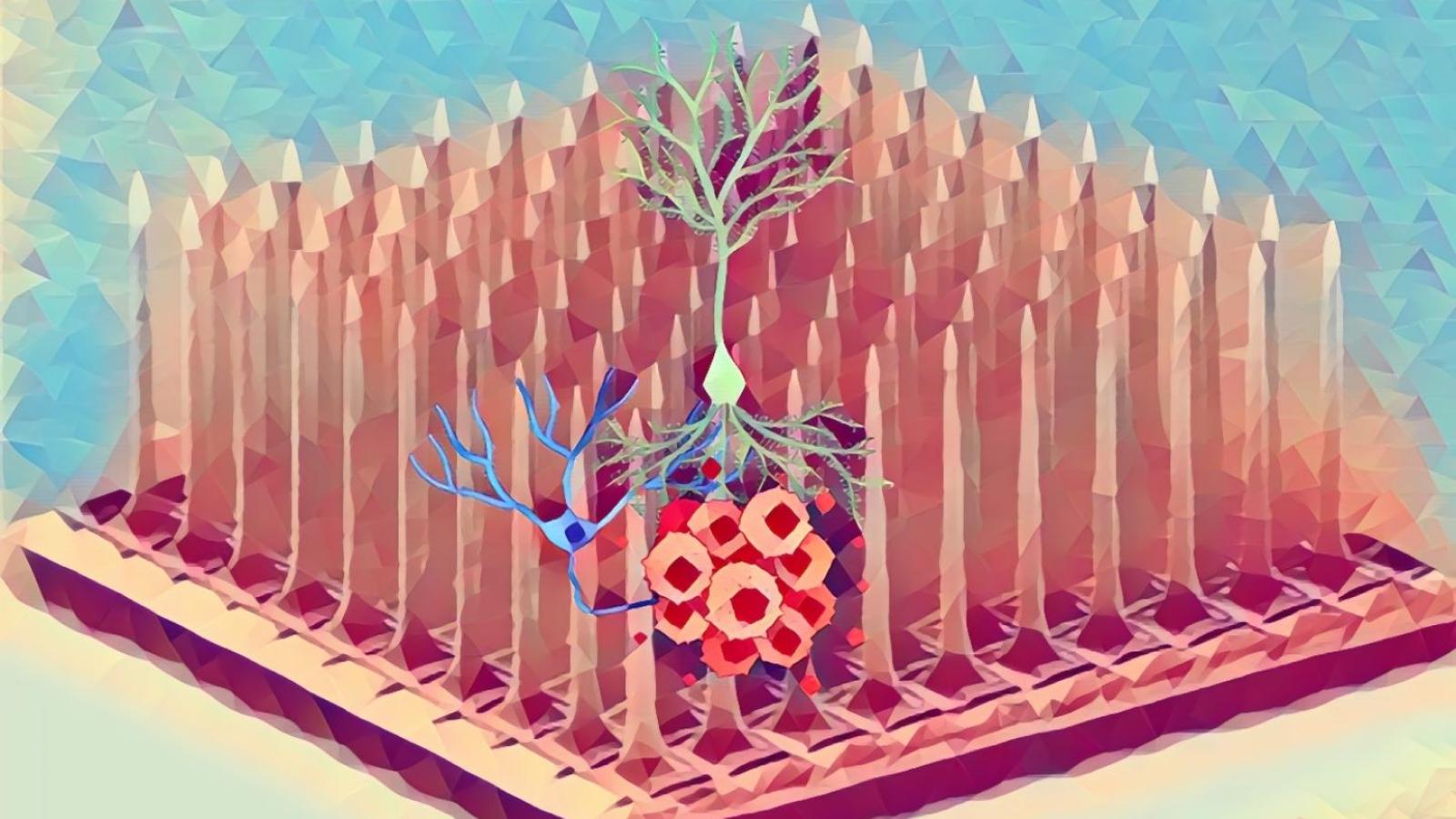
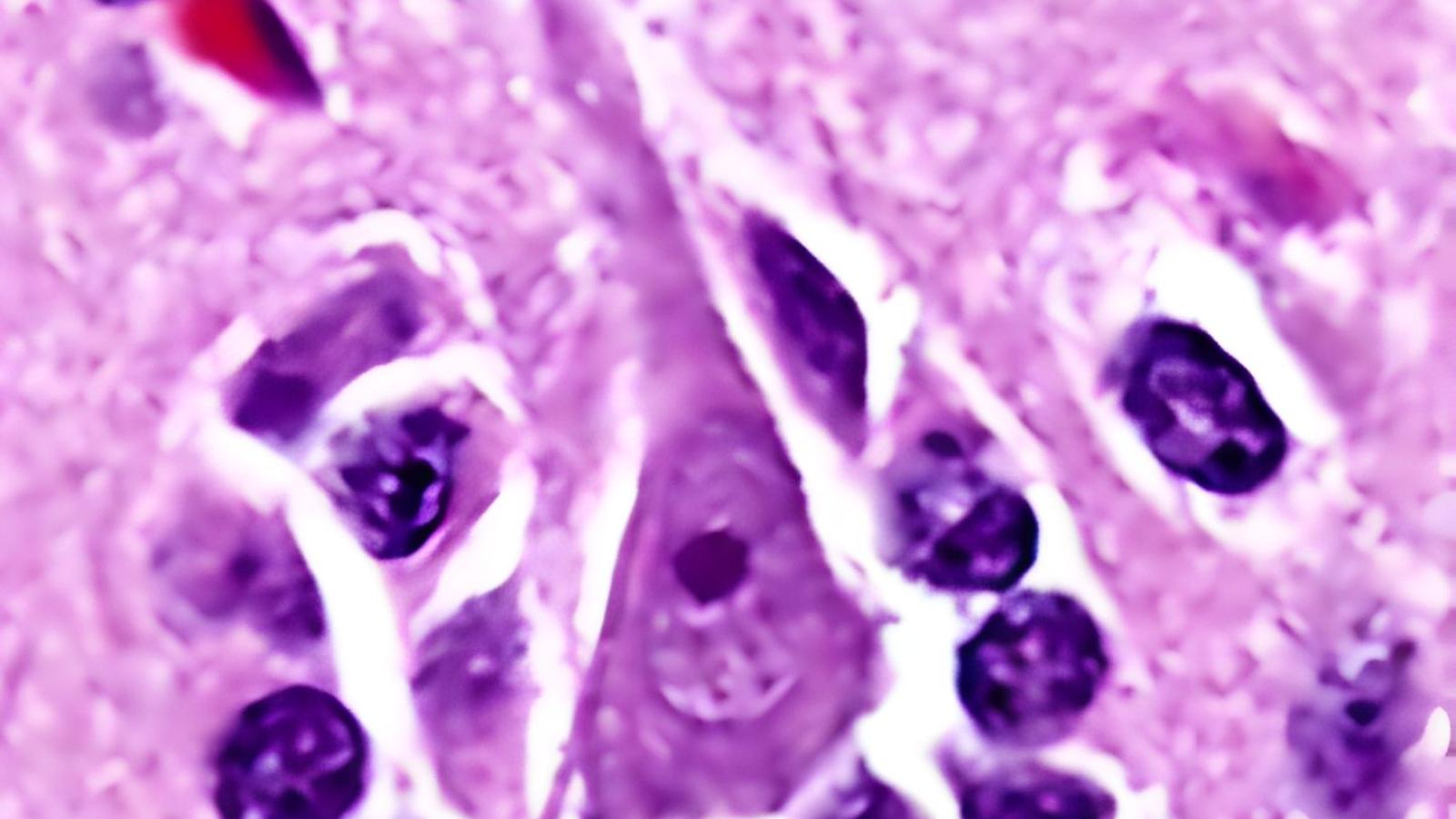
The Gill brain tumor cancer neuroscience lab studies how brain tumors disrupt neural circuits and how these changes drive seizures, neurological dysfunction, and tumor progression. Using a combination of in vivo and ex vivo electrophysiology, advanced calcium imaging, molecular profiling, and human tissue analysis, we investigate how gliomas alter excitatory–inhibitory balance within the peritumoral microenvironment.
Our work focuses on identifying actionable mechanisms of neuronal dysfunction—particularly within GABAergic interneuron networks—and translating these discoveries into novel therapeutic strategies. By integrating experimental models with clinical data and patient-derived samples, we aim to develop targeted interventions that restore neural circuit function, reduce tumor-associated epilepsy, and improve outcomes for patients with brain tumors.
Selected Publications
Ex vivo multi-electrode analysis reveals spatiotemporal dynamics of ictal behavior at the infiltrated margin of glioma.
We developed an ex vivo platform to study how gliomas drive seizure activity using acute brain slices from a mouse model of high-grade glioma. By recording electrophysiological signals across tumor, infiltrated, and surrounding brain regions, we found that tumor-bearing tissue showed markedly increased neuronal firing and more frequent seizure-like events compared with controls, particularly under seizure-provoking conditions. These abnormal discharges most often arose at the tumor margins and nearby cortex, highlighting how tumor invasion disrupts local brain networks and promotes epileptiform activity. Together, this work provides new insight into how gliomas alter neural circuitry to generate seizures and establishes a powerful experimental system for studying tumor-associated epilepsy.
Single unit analysis and wide-field imaging reveal alterations in excitatory and inhibitory neurons in glioma
In this study, we used a combination of single-unit recordings and wide-field calcium imaging in an ex vivo brain slice model of diffusely infiltrating glioma to track how different types of neurons behave during seizure-like activity. We found that in tumor-bearing tissue, fast-spiking interneurons fire less, become active primarily during excitatory bursts, and show impaired local inhibition, while overall excitability increases compared with controls. By pharmacologically targeting the system with an mTOR inhibitor, we were able to boost interneuron firing and restore inhibition, which corresponded with reduced overall excitability. These results suggest that glioma can disrupt the balance between excitatory and inhibitory neurons in a way that contributes to hyperexcitability and seizures, and that some of these changes may be reversible with mTOR inhibition.
MRI-localized biopsies reveal subtype-specific differences in molecular and cellular composition at the margins of glioblastoma
We used MRI-guided biopsies from both contrast-enhancing tumor cores and non-enhancing margins of human glioblastoma to compare their molecular and cellular composition. We found that the non-enhancing margins—regions typically left behind after surgical resection and responsible for tumor recurrence—are biologically distinct from the contrast-enhancing core and contain a greater contribution from non-tumor brain cells. When we compared these region-specific profiles across glioblastoma subtypes, contrast-enhancing samples reflected classical molecular signatures, while non-enhancing margins more closely resembled neural tissue. We also observed subtype-specific differences in the proportions of astrocytes, oligodendrocyte progenitors, and microglia at the infiltrative edge. Together, these findings highlight the biological heterogeneity of the tumor margins and underscore the importance of targeting this infiltrative region to improve therapeutic outcomes.
Lab Members
Karen Conboy
- Postdoctoral Researcher
Esther Njoroge
- Research Staff Associate
Ashwin Viswanathan
- MD/PhD Candidate
Brianna Pereira
- MD/PhD Candidate
Hannah Haile
- Medical Student Researcher
Sandra Leskinen
- Medical Student Researcher
Roland Scott
- Medical Student Researcher
Kevin Ogonuwe
- Medical Student Researcher
Charlotte Milligan
- Undergraduate Researcher
Tasneem Meem
- Undergraduate Researcher
Cornelia Goforth
- Undergraduate Researcher